Wasp & Hornet Identification in Philadelphia

Identify stinging insects in your Philadelphia yard or home before they become a serious problem.

📷 Text Us a Photo Free

3 Easy Ways to Get Your Bug Identified — Free

📷

Text a Photo

Text your bug photo to (215) 274-0754 and get a response from a pest expert within minutes.

Chat & Upload

Upload a photo and chat live with a pest identification expert from City Best Pest Control.

📧

Email a Photo

Email your photo to info@citybestpestcontrol.com with your location and we will identify it fast.

Wasp & Hornet Life Stages

Yellowjackets and bald-faced hornets are the most common stinging insects in Philadelphia. Colonies grow from a single overwintered queen and can reach 5,000 workers by late summer.

Yellowjacket queen wasp
Stage 1

Queen Emerges

In spring (March-April), a mated queen that overwintered under bark or in soil begins building a golf ball-sized nest from chewed wood pulp.

Wasp larva in paper nest cell
Stage 2

Egg & Larva

Queen lays a single egg per cell. Larvae are white, legless, and C-shaped. Fed chewed insects by the queen and later by workers. Pupate in 7-9 days.

Wasp pupa in sealed nest cell
Stage 3

Pupa

Capped cells contain pupae. Adult features (legs, wings, antennae) develop. Workers emerge in 2-3 weeks. Pupae are temperature-sensitive — nest location is critical.
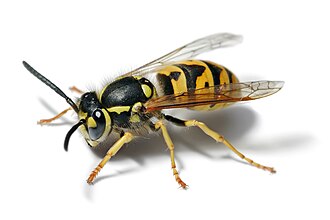
Adult yellowjacket worker wasp
Worker

Worker Wasp

All-female sterile workers. 12-16mm, yellow-black banding, narrow waist. Forage for protein and sugars. Defensive range 3-10 feet from nest. Sting repeatedly.
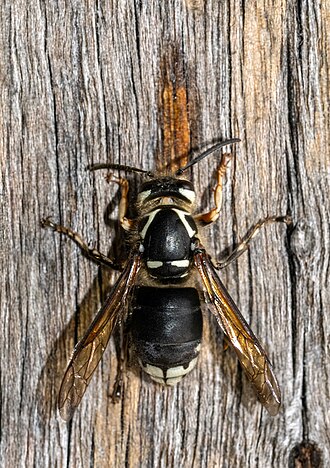
Bald-faced hornet and paper nest
Bald-Faced

Bald-Faced Hornet

Larger than yellowjackets (18-20mm), white face and thorax markings. Builds gray paper football-shaped aerial nests. Highly aggressive within 10 feet of nest.

Yellowjacket nest entrance in ground
Signs

Nest & Activity Signs

Paper nest in eaves, soffits, trees, or underground. High traffic flight path at a single entry point. Chewed wood on decks = active foragers. Peak aggression: August-October.

Images: Wikimedia Commons — free educational use

Stinging Insects in Philadelphia

SpeciesSizeAppearanceNest TypeAggression
Yellow Jacket10-16mmYellow/black bands, no hairUnderground or wall voidsVery High
Bald-Faced Hornet15-20mmBlack with white faceLarge gray paper nest, trees/eavesHigh
European Hornet25-35mmBrown/yellow, largePaper nest in tree hollowsMedium
Paper Wasp16-20mmSlender, reddish-brown/yellowOpen umbrella-shaped nestMedium
Mud Dauber20-25mmSlender black waistMud tubes on wallsVery Low
Honeybee13-15mmFuzzy, amber/brown bandsWax combs, hiveLow

Yellow Jackets: Philadelphia's Most Dangerous

Yellow jackets are responsible for most stinging incidents in Philadelphia. They nest underground or inside wall voids and become extremely aggressive when disturbed. Unlike bees, they can sting multiple times. Nests peak in late summer at 3,000-5,000 workers.

Never attempt to seal a wall void containing yellow jackets — this drives them inside your home.

Wasps vs. Bees vs. Hornets

Key Visual Differences

  • Wasps: Smooth, shiny, slender waist, little to no hair
  • Bees: Fuzzy/hairy body, rounder, carry pollen
  • Hornets: Large wasps (25mm+), distinctive coloring

⚠ Allergic Reactions

If stung and you experience difficulty breathing, swelling of throat or tongue, dizziness, or hives — call 911 immediately. Anaphylaxis from stings is a medical emergency.

When to Call a Professional

  • Nest larger than a baseball
  • Nest near a doorway or high-traffic area
  • Underground nests (yellow jackets)
  • Inside wall voids or attic
  • Anyone in household is allergic
  • Bald-faced hornet or European hornet nest

Found a Pest? Don't Wait.

Get a free inspection from City Best Pest Control — serving Philadelphia and surrounding counties.

Get a Free Inspection →
Free Bug ID 🔍
Quick options