Termite Identification in Philadelphia

Termites cause over $5 billion in property damage annually. Early ID is critical.

📷 Text Us a Photo Free

3 Easy Ways to Get Your Bug Identified — Free

📷

Text a Photo

Text your bug photo to (215) 274-0754 and get a response from a pest expert within minutes.

Chat & Upload

Upload a photo and chat live with a pest identification expert from City Best Pest Control.

📧

Email a Photo

Email your photo to info@citybestpestcontrol.com with your location and we will identify it fast.

Termite Life Stages & Castes

Eastern subterranean termites — the species found in Philadelphia — live in colonies of 60,000 to 1 million. The colony is divided into castes, each with a distinct appearance and role.
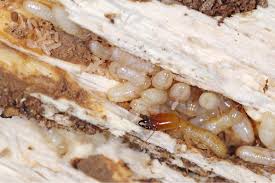
Termite eggs in colony
Egg

Termite Egg

Tiny white oval eggs laid by the queen, clustered in nursery chambers deep in the colony. Queen can lay 1,000+ eggs per day. Eggs hatch in 24-36 days.
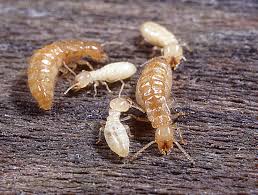
Termite larva and nymph
Nymph

Larva / Nymph

Hatchlings are 1mm, soft, white. Molt 3+ times into workers, soldiers, or reproductive nymphs depending on colony pheromone signals.
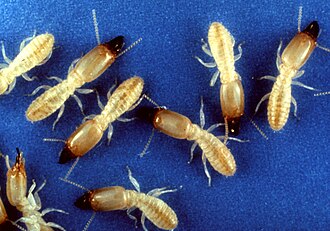
Worker termites in wood gallery
Caste

Worker Termite

Soft white body, 3-4mm. Blind. Does all foraging, tunneling, and cellulose digestion. Makes up 80-90% of colony. Responsible for all structural damage.
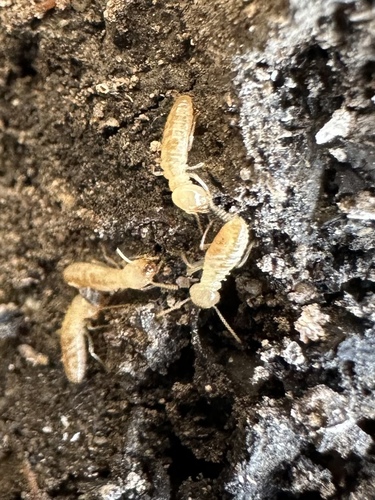
Soldier termite with mandibles
Caste

Soldier Termite

Large orange-brown head with elongated mandibles. 4-6mm. Secretes defensive compound from fontanelle on head. Cannot feed itself — fed by workers.

Termite swarmers alates with wings
Swarm

Alate (Swarmer)

Winged reproductives, 8-10mm with two equal-length wings (4x body length). Swarm in Philadelphia March-May. Shed wings after landing. Black-brown body.

Termite mud tubes on foundation
Signs

Mud Tubes & Damage

Pencil-width mud tubes on foundation walls and joists. Hollowed wood with honeycomb galleries along the grain. Frass (pellets) may indicate drywood species.

Images: Wikimedia Commons — free educational use

Termites in Philadelphia

The primary termite species in Philadelphia is the Eastern Subterranean Termite (Reticulitermes flavipes). They live in underground colonies and travel through mud tubes to reach wood above ground. Philadelphia's clay soils and older housing stock make it a high-risk area.

Termite Castes

CasteSizeAppearanceRole
Worker3-4mmCreamy white, softDamage wood, feed colony
Soldier4-5mmWhite body, large brown headDefend colony
Swarmer (Alate)8-10mm with wingsDark brown/black, equal wingsReproduce, start new colonies

Termite Swarmers vs. Flying Ants

Termite swarmers appear in spring (March-May in Philadelphia) and are often mistaken for flying ants. Key differences:

FeatureTermite SwarmerFlying Ant
WingsEqual length, shed easilyFront wings longer than rear
WaistThick, no pinchNarrow, pinched
AntennaeStraight, beadedElbowed/bent

Signs of Termites in Your Philadelphia Home

🦠 Mud Tubes

Pencil-width mud tubes along foundation walls, beams, and crawlspaces. The #1 termite sign.

🌻 Swarmers

Winged termites emerging in spring near windows, doors, and light fixtures.

🪞 Hollow Wood

Wood that sounds hollow when tapped and may look normal on the surface.

🐋 Frass

Tiny wood-colored pellets near wood (more common with drywood termites).

🔼 Discarded Wings

Piles of wings near windowsills and doors after a swarm.

💡 Bubbling Paint

Moisture from termite activity causes paint to bubble or wood to warp.

Termite FAQ

How much damage can termites cause?

A mature Eastern Subterranean colony of 60,000-1,000,000 termites can consume a foot of 2x4 lumber in about 6 months. Structural repairs from termite damage in Philadelphia homes frequently cost $5,000-$30,000 or more.

Does homeowners insurance cover termite damage?

Generally no. Standard homeowners insurance policies in Pennsylvania exclude termite damage because it is considered preventable with regular inspections and treatment. This makes early detection critically important.

How is termite treatment done?

The two main professional methods are liquid termiticide barrier treatment (applied around the foundation) and bait stations (installed in the soil around the perimeter). Both require a licensed professional. City Best Pest Control offers free termite inspections for Philadelphia homeowners.

Found a Pest? Don't Wait.

Get a free inspection from City Best Pest Control — serving Philadelphia and surrounding counties.

Get a Free Inspection →
Free Bug ID 🔍
Quick options