Most Philadelphia spiders are harmless, but a few are dangerous. Learn which you have.
📷 Text Us a Photo FreeText your bug photo to (215) 274-0754 and get a response from a pest expert within minutes.
Upload a photo and chat live with a pest identification expert from City Best Pest Control.
Email your photo to info@citybestpestcontrol.com with your location and we will identify it fast.
Most Philadelphia spiders are harmless and beneficial predators. The northern black widow — identifiable by its red hourglass — is the one species requiring immediate caution. Here's how to identify spiders at each stage.
Silk-wrapped egg sac contains 20-400 eggs depending on species. House spiders produce pinkish-tan papery sacs; black widows produce off-white spherical sacs with tough silk. Attached to web or carried by female.
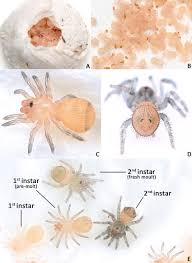
Emerge from sac as miniature adults. Many species balloon — release silk threads to catch wind and disperse. Can travel miles. Cannibalism is common among siblings in the sac.
Molt 4-12 times before reaching adulthood. Color patterns may differ from adult stage. Some species take 1-3 years to mature. Males mature faster and die sooner than females.
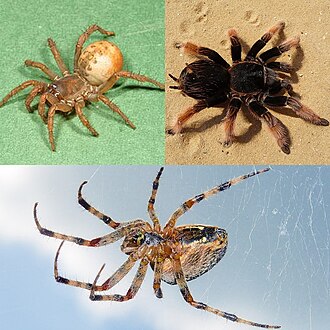
6-10mm, yellowish-brown with chevron abdomen markings. Builds tangled cobwebs in corners. Completely harmless. Actually beneficial — reduces fly and mosquito populations indoors.
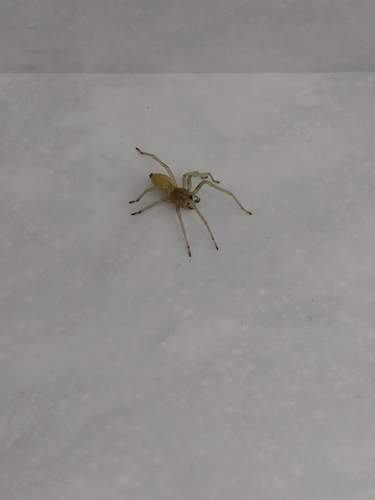
8-10mm, pale yellow-green, no distinct markings. The most common biting spider in Philadelphia. Bite causes localized pain and slow-healing wound. Prowls actively at night; builds silk tubes in wall/ceiling angles.
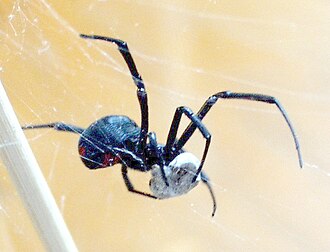
Female: 8-13mm, shiny black, red hourglass on underside of abdomen. Found in undisturbed areas — firewood, crawl spaces, under decks. Neurotoxic venom. Seek medical attention immediately if bitten.
Images: Wikimedia Commons — free educational use
| Species | Size | Appearance | Dangerous? | Habitat |
|---|---|---|---|---|
| House Spider | 5-8mm | Yellow-brown, striped legs | No | Corners, ceiling webs |
| Wolf Spider | 10-35mm | Gray/brown, hairy, fast | Rarely | Ground level, basements |
| Cellar Spider | 2-3mm body | Pale yellow, very long legs | No | Basements, cellars |
| Jumping Spider | 3-18mm | Compact, large front eyes, colorful | No | Sunny windows, walls |
| Black Widow | 8-13mm | Shiny black, red hourglass | Yes | Woodpiles, garages |
| Brown Recluse | 6-11mm | Tan, violin marking on back | Yes | Closets, attics, boxes |
Black widows are present in Philadelphia — they are not as rare as many think. Look for a shiny jet-black body with a distinctive red hourglass shape on the underside of the abdomen. They build irregular webs low to the ground near woodpiles, garage corners, and sheds.
Do not handle a suspected black widow. Text us a photo and we will confirm the ID immediately.
Brown recluse spiders are less common in Philadelphia but cases have been reported. They are tan to brown with a characteristic violin-shaped marking on the top of the cephalothorax. They have 6 eyes (most spiders have 8) arranged in 3 pairs. They hide in dark, undisturbed areas: boxes, closets, attics.
If you suspect a black widow or brown recluse bite, seek emergency care immediately. Bring the spider if safely captured for identification.
No. The vast majority of spiders found in Philadelphia homes are completely harmless and actually beneficial — they eat other insects. Common house spiders, cellar spiders, and jumping spiders pose no danger. Only black widows and brown recluse require concern.
Spiders typically move indoors in late summer and fall seeking warmth and following insect prey. A sudden increase in spiders often indicates a larger insect population inside your home that is attracting them.
Get a free inspection from City Best Pest Control — serving Philadelphia and surrounding counties.
Get a Free Inspection →