Silverfish Identification in Philadelphia

Silverfish are among the oldest insects on earth and a common find in Philadelphia basements and bathrooms. Learn how to identify and eliminate them.

📷 Text Us a Photo Free

3 Easy Ways to Get Your Bug Identified — Free

📷

Text a Photo

Text your bug photo to (215) 274-0754 and get a response from a pest expert within minutes.

Chat & Upload

Upload a photo and chat live with a pest identification expert from City Best Pest Control.

📧

Email a Photo

Email your photo to info@citybestpestcontrol.com with your location and we will identify it fast.

Silverfish Life Stages

Silverfish are one of the oldest insect orders — over 400 million years old. Unlike most insects, they continue to molt throughout their adult life (up to 60 times). Their presence indicates humidity problems.
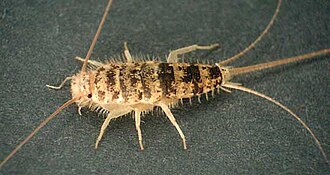
Silverfish eggs in crack
Stage 1

Egg

1mm, white, oval. Laid in crevices, paper products, or wall gaps. Female lays 1-3 per day (up to 100 per year). Eggs are difficult to spot — coated in sticky substance that collects debris.
Young silverfish nymph
Stage 2

Early Nymph

Hatch white, scale-free. Scales develop by 3rd molt. Require high humidity (70-90%) to survive. Growth is slow — heavily dependent on temperature. May take 3-5 years to reach adulthood.
Late stage silverfish nymph with scales
Stage 3

Late Nymph

Developing silver scales, two antennae, three tail filaments. Now eating starchy materials. Found in bathrooms, laundry rooms, basements. Molts up to 8 times before adulthood.

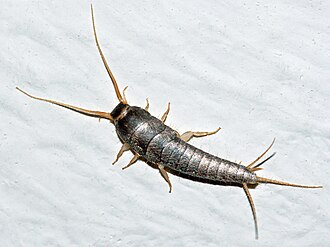
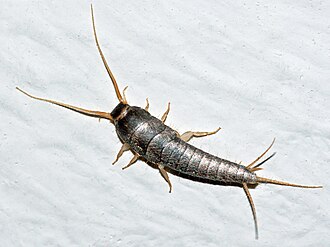
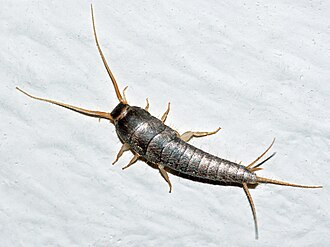
Adult silverfish Lepisma saccharina
Adult

Adult Silverfish

12-20mm, metallic silver, teardrop-shaped body, three long tail filaments. Moves in a fish-like wiggling motion. Thrives in 70-90% humidity. Can live 2-8 years and continues to molt as an adult.
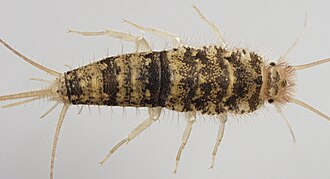
Firebrat Thermobia domestica near heat source
Related

Firebrat

Similar to silverfish but mottled gray-brown, prefers heat (90-105F). Found near boilers, ovens, and hot water pipes. Slightly faster than silverfish. Often confused at first glance.
Silverfish damage to paper and cardboard
Damage

Feeding Signs

Irregular surface etchings on paper and cardboard. Yellow stains on fabric. Holes in wallpaper with a peppered appearance. Shed scales near damage sites. Fecal pellets — tiny black specks resembling ground pepper.

Images: Wikimedia Commons — free educational use

What Do Silverfish Look Like?

Silverfish (Lepisma saccharinum) are primitive, wingless insects recognizable by their distinctive appearance:

  • Size: 12-19mm (half to three-quarters of an inch)
  • Color: Silvery-gray, metallic sheen (hence the name)
  • Shape: Flat, teardrop/carrot-shaped body, wider at head, tapers to tail
  • Tail: Three long tail filaments (two cerci + one medial)
  • Antennae: Long, thread-like
  • Movement: Fast, wriggling fish-like motion
  • Legs: 6 legs

Firebrat vs. Silverfish

Firebrats look very similar but are mottled gray/brown rather than solid silver, and prefer hot areas (near furnaces, ovens) rather than cool damp areas.

Signs of Silverfish

📜 Yellow Stains

Yellow stains or scales on papers, books, and fabric where silverfish feed.

📚 Damaged Paper

Irregular holes or notching in books, wallpaper, cardboard boxes.

💡 Shed Scales

Tiny silvery scales visible in areas where silverfish rest.

💨 Tiny Droppings

Pepper-sized black droppings near feeding areas.

What Silverfish Eat

  • Book bindings and paper (cellulose)
  • Wallpaper paste and glue
  • Clothing (cotton, silk, linen)
  • Photos and artwork
  • Pantry starch (flour, oats, cereals)

Why Philadelphia Homes Have Silverfish

Silverfish thrive in high humidity environments — they prefer 75-95% relative humidity. Philadelphia's humid summers, combined with its stock of older homes with damp basements and crawlspaces, make it ideal silverfish territory. They are commonly found in:

Are Silverfish Dangerous?

Silverfish are not dangerous to humans — they do not bite, sting, or transmit disease. However, they can cause significant damage to valuable items including antique books, photographs, vintage clothing, and important documents. A large infestation can destroy irreplaceable personal items.

Silverfish FAQ

How do I get rid of silverfish naturally?

Reduce humidity with a dehumidifier (silverfish struggle below 50% humidity), fix plumbing leaks, ventilate the basement, and remove cardboard boxes (use plastic totes instead). Diatomaceous earth applied to cracks and hiding spots can also help control populations.

Do silverfish infestations get large?

Yes. Silverfish live for 2-8 years and can slowly build into large populations. A moderate infestation of dozens can grow to hundreds if untreated. They are most active at night, so daytime sightings of multiple silverfish indicate a significant infestation.

Does seeing silverfish mean I have a moisture problem?

Almost always yes. Silverfish are a strong indicator of excess moisture in your home. Their presence in a basement or bathroom suggests conditions that can also lead to mold, wood rot, and other moisture-related damage. Addressing the root cause is as important as pest control.

Found a Pest? Don't Wait.

Get a free inspection from City Best Pest Control — serving Philadelphia and surrounding counties.

Get a Free Inspection →
Free Bug ID 🔍
Quick options