Philadelphia has a significant rodent population. Know the difference and know what to do.
📷 Text Us a Photo FreeText your bug photo to (215) 274-0754 and get a response from a pest expert within minutes.
Upload a photo and chat live with a pest identification expert from City Best Pest Control.
Email your photo to info@citybestpestcontrol.com with your location and we will identify it fast.
Norway rats and house mice are the two primary rodent pests in Philadelphia. Both breed year-round indoors and can produce dozens of offspring per year from a single pair.
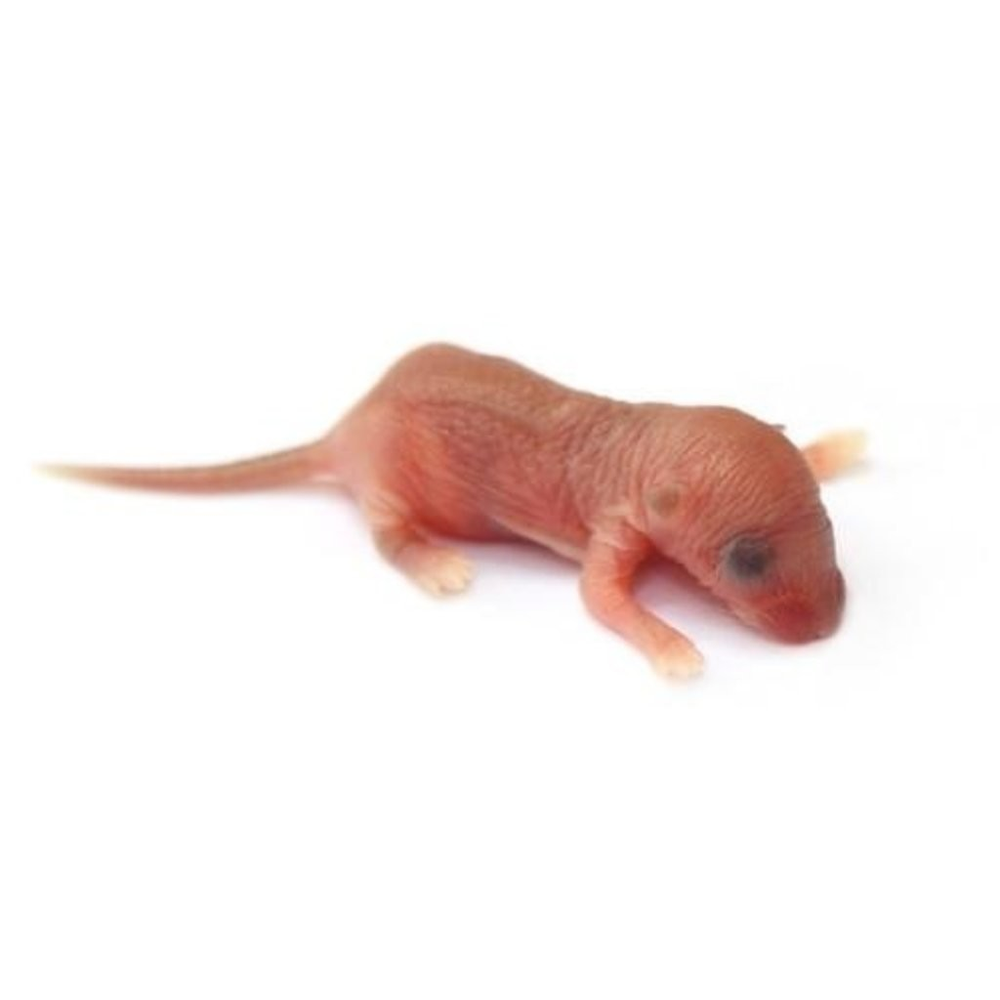
Born blind, hairless, pink, 1.5-2g (mouse) or 5-6g (rat). Entirely dependent on mother. Nest is in insulated, dark areas: wall voids, under appliances, in insulation.
Gray/brown fur appears by day 10. Eyes open at 12-14 days. Begins exploring outside nest at 3 weeks. Weaned at 21 days. Indistinguishable from adult by 4-6 weeks.
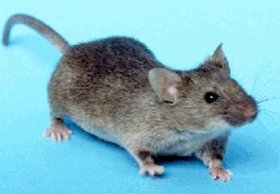
12-20g, 6-9cm body. Large ears, pointed snout. Drops 50-75 fecal pellets per day. Sexually mature at 35 days. Up to 10 litters of 4-8 pups per year.

200-500g, 20-25cm body + 17-21cm tail. Blunt snout, small ears. Gnaws through wood, plastic, even soft metals. 4-6 litters per year, 6-12 pups each.
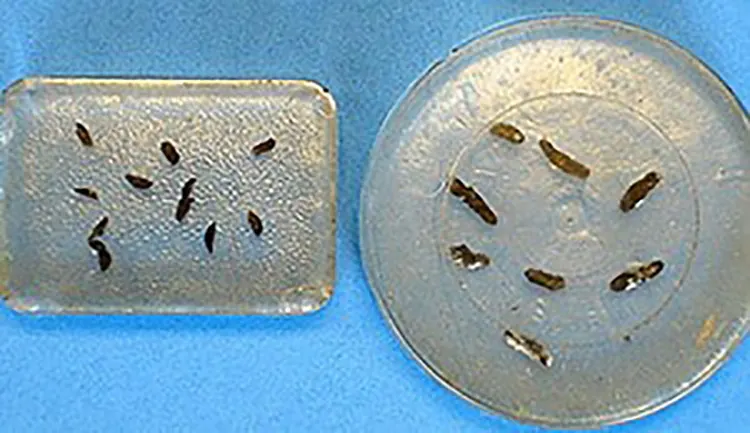
Mouse droppings: rice-sized, pointed ends. Rat droppings: capsule-shaped, 18-20mm. Gnaw marks on food packaging, wires, structural wood. Grease rub marks along walls.
Rodents strip insulation from wires (fire hazard), shred paper/fabric for nesting, and gnaw through PVC pipes. Structural damage accumulates rapidly with an established colony.
Images: Wikimedia Commons — free educational use
| Feature | House Mouse | Norway Rat | Roof Rat |
|---|---|---|---|
| Size | 6-9cm body | 18-25cm body | 13-18cm body |
| Weight | 12-30g | 200-500g | 100-300g |
| Color | Gray/brown | Brown/gray | Dark brown/black |
| Ears | Large relative to body | Small, thick | Large, thin |
| Tail | Longer than body | Shorter than body | Longer than body |
| Nose | Pointed | Blunt | Pointed |
| Droppings | 3-6mm, rod-shaped | 18-20mm, capsule | 12mm, banana-shaped |
| Habitat | Inside homes, walls | Basements, ground | Attics, upper floors |
Fresh droppings are dark and moist. Old droppings are gray and crumbly. Location indicates nesting area.
Mice make small clean bite marks. Rats make larger, rougher marks. Gnawing on wires is a fire hazard.
Dark grease marks and footprints along walls, baseboards, and behind appliances where rodents travel.
Shredded paper, fabric, insulation gathered in hidden areas like behind appliances and inside walls.
Scratching, scurrying, or squeaking sounds in walls and ceilings, especially at night.
Musky, ammonia-like urine smell. Distinctive and strong in active infestations.
Philadelphia consistently ranks among the top 10 most rat-infested cities in the United States. Norway rats are particularly common in South Philadelphia, West Philadelphia, and North Philadelphia. Roof rats are less common but found near the Delaware River waterfront. House mice are found throughout the city in virtually all types of residential buildings.
Mice can squeeze through a gap as small as 6mm (the size of a pencil). Rats need only 20mm. Common entry points include foundation cracks, gaps around pipes, dryer vents, utility lines, and doors that do not seal properly. Exclusion (sealing entry points) combined with extermination is the only lasting solution.
Snap traps can be effective for minor mouse problems if you correctly identify and bait the runways. However, a true infestation requires professional treatment including colony baiting, exclusion, and follow-up inspections.
Yes. Rodents carry Hantavirus, Leptospirosis, Salmonella, and other diseases. Rat bites can transmit rat-bite fever. Their gnawing on electrical wires causes an estimated 20-25% of all house fires of unknown cause.
Get a free inspection from City Best Pest Control — serving Philadelphia and surrounding counties.
Get a Free Inspection →