Mosquito Identification in Philadelphia

Philadelphia has several mosquito species, including the invasive Asian tiger mosquito. Know the difference and how to protect your family.

📷 Text Us a Photo Free

3 Easy Ways to Get Your Bug Identified — Free

📷

Text a Photo

Text your bug photo to (215) 274-0754 and get a response from a pest expert within minutes.

Chat & Upload

Upload a photo and chat live with a pest identification expert from City Best Pest Control.

📧

Email a Photo

Email your photo to info@citybestpestcontrol.com with your location and we will identify it fast.

Mosquito Life Stages — Water to Air

Mosquitoes complete their entire aquatic life cycle in as little as 7 days. Philadelphia's two key species — Culex pipiens and Aedes albopictus (Asian tiger) — have very different habits and bite times.
Culex mosquito egg raft on water
Stage 1

Egg Raft (Culex)

Culex mosquitoes lay 100-400 eggs in floating rafts on standing water. Each raft is 2-3mm. Hatch in 24-48 hours. Any container holding water for 7+ days is a breeding site.
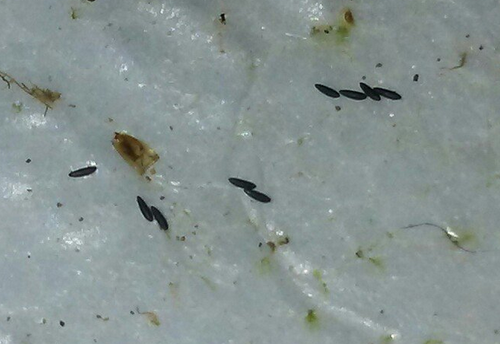
Aedes albopictus eggs on surface
Stage 1

Aedes Eggs

Asian tiger mosquitoes lay single eggs on moist surfaces just above the waterline. Eggs can survive desiccation for months and hatch when re-wetted. Key target: clogged gutters and small containers.
Mosquito larvae wrigglers in water
Stage 2

Larva (Wriggler)

Aquatic, 1-14mm, hangs at surface to breathe via siphon tube. Filter-feeds on microorganisms. Four instars over 5-14 days. Active swimmers when disturbed.
Mosquito pupae tumblers in water
Stage 3

Pupa (Tumbler)

J-shaped, does not feed. Breathes through horn-shaped tubes at surface. Highly mobile when disturbed. Lasts 1-4 days before adult emerges from surface film.
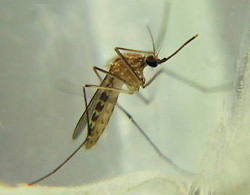
Adult Culex pipiens common house mosquito
Adult

Adult Culex

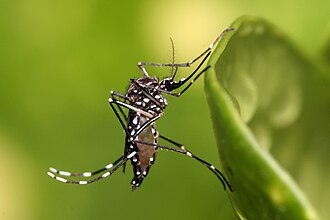
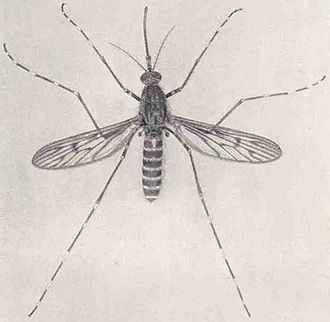
Dull brown, white-banded abdomen. Peak activity dusk to dawn. Transmits West Nile virus in Philadelphia. Range 1-3 miles. Overwinters as mated female.
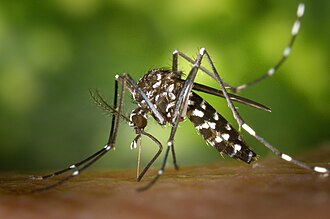
Aedes albopictus Asian tiger mosquito biting
Adult

Asian Tiger Mosquito

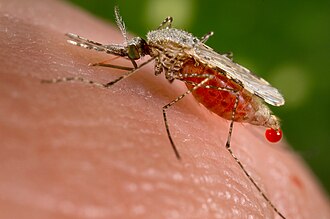
Bold black/white stripes on body and legs. Bites aggressively in daylight. Short-range (300ft). Arrived in US via used tire trade. Now established throughout Philadelphia.

Images: Wikimedia Commons — free educational use

Mosquito Species in Philadelphia

SpeciesSizeMarkingsBiting TimeDisease Risk
Common House Mosquito (Culex pipiens)3-7mmBrown, pale bands on abdomenDusk and nightWest Nile Virus
Asian Tiger Mosquito (Aedes albopictus)2-10mmBlack with white stripes, white stripe on thoraxDay and duskDengue, Zika (rare in PA)
Eastern Saltmarsh Mosquito (Aedes sollicitans)4-7mmBrown with yellow markingsDawn and duskLow

The Asian Tiger Mosquito: Philadelphia's Biggest Concern

The Asian tiger mosquito is now established throughout Philadelphia and suburbs. Unlike native mosquitoes, it bites aggressively during the day, making outdoor activities unpleasant. It is identified by a distinctive single white stripe down the center of its thorax (back) and white spots on black legs.

West Nile Virus in Philadelphia

Philadelphia County consistently tests positive for West Nile Virus in mosquito pools each summer. The Philadelphia Department of Public Health conducts surveillance and targeted larviciding in storm drains. Residents in areas near Pennypack Creek, Cobbs Creek, and other waterways are at higher risk.

Mosquito Breeding Grounds in Philadelphia Yards

💧 Standing Water

Any container holding water for 7+ days. Mosquitoes need only a bottle cap of water to breed.

🌾 Gutters

Clogged gutters are one of the top mosquito breeding sites in Philadelphia homes.

🌿 Bird Baths

Change water every 3-4 days or add a wiggler/fountain to prevent breeding.

🚴 Tires

Old tires collect rainwater and are a prime breeding site for Asian tiger mosquitoes.

🌎 Tarps & Covers

Pooled water on tarps, boat covers, and pool covers breeds thousands of mosquitoes.

🌻 Dense Vegetation

Adult mosquitoes rest in shrubs and tall grass during the day. Keep vegetation trimmed.

Mosquito FAQ for Philadelphia Residents

When is mosquito season in Philadelphia?

Mosquito season in Philadelphia typically runs from late April through October, peaking in July and August. Asian tiger mosquitoes can be active on warm days as late as November.

Does professional mosquito treatment work?

Yes. City Best Pest Control offers barrier spray treatments that provide 3-4 weeks of protection per application. Treatments target resting sites in vegetation and can reduce mosquito populations by 70-90%. Regular monthly treatments through the season are most effective.

How do I know if a mosquito is carrying West Nile?

You cannot tell if a mosquito is infected by looking at it. If you are experiencing mosquito problems near standing water, creek areas, or in late summer, the risk is elevated. Protect yourself with DEET or picaridin repellent and wear long sleeves at dusk.

Found a Pest? Don't Wait.

Get a free inspection from City Best Pest Control — serving Philadelphia and surrounding counties.

Get a Free Inspection →
Free Bug ID 🔍
Quick options