Fleas and ticks are health hazards for your family and pets. Learn to identify and eliminate them.
📷 Text Us a Photo FreeText your bug photo to (215) 274-0754 and get a response from a pest expert within minutes.
Upload a photo and chat live with a pest identification expert from City Best Pest Control.
Email your photo to info@citybestpestcontrol.com with your location and we will identify it fast.
Fleas and ticks are two separate parasites with very different life cycles. Both can transmit disease. Philadelphia's deer tick population carries Lyme disease — knowing the nymph stage is critical since it's the primary transmission stage.
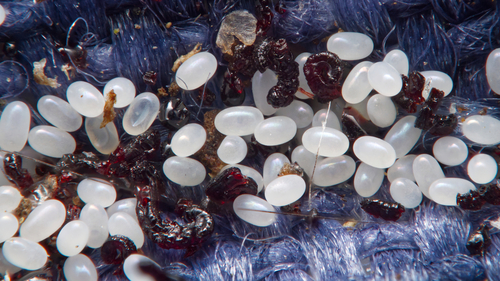
0.5mm, white, oval, laid in pet fur but fall off into carpet, furniture, and flooring within seconds. One female lays 20-50 eggs per day. Eggs are slippery and nearly invisible on light surfaces.
Tiny white worm, 1-5mm. Feeds on adult flea feces (digested blood) in carpet fibers. Photophobic — moves away from light into deep carpet pile. This stage lasts 5-18 days.
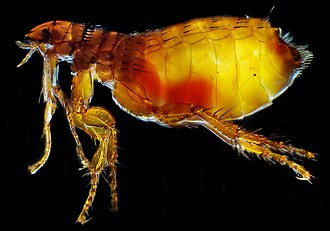
Silk cocoon with sticky outer layer that collects debris as camouflage. Can remain dormant for 5 months awaiting vibration, body heat, and CO2 signals. This is why vacated homes seem to explode with fleas.
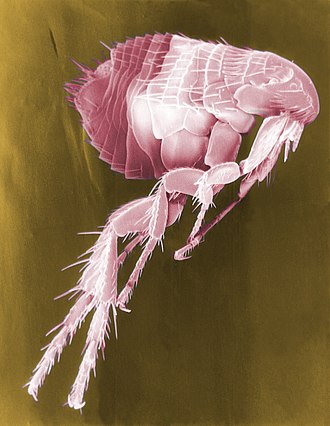
1-3mm, dark reddish-brown, laterally flattened. Jumps 7 inches vertically. Bites within seconds of finding a host. Can transmit tapeworms and murine typhus. Begins laying eggs within 48 hours of first blood meal.
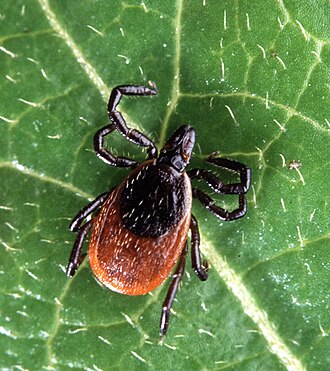
Poppy-seed sized (1mm), tan/brown. Responsible for 80-90% of Lyme disease transmission — too small to notice before the 36-48hr attachment needed for transmission. Peak activity: May-July in Philadelphia.
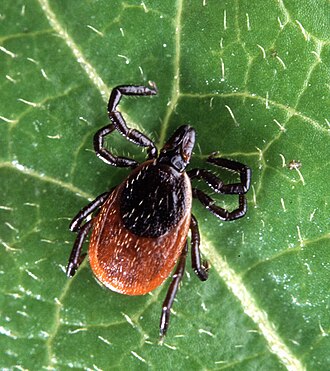
3mm (unfed) to 10mm (engorged). Female is orange-brown with dark shield; male is all dark. Active October-April in Pennsylvania. Check for ticks after any outdoor activity — wooded areas, leaf litter, tall grass.
Images: Wikimedia Commons — free educational use
| Feature | Flea | Tick |
|---|---|---|
| Size | 1-3mm | 3-8mm (engorged up to 15mm) |
| Legs | 6 (insect) | 8 (arachnid) |
| Shape | Flat, tall, narrow | Flat, oval, teardrop when engorged |
| Movement | Jumps, very fast | Crawls, slow |
| Color | Dark reddish-brown | Brown, gray, black, or tan |
| Wings | No | No |
| Disease Risk | Tapeworms, Bartonella | Lyme disease, Rocky Mountain spotted fever |
The most medically significant ticks in the Philadelphia area are:
Put on white knee-high socks and walk slowly through suspected areas. Fleas will jump onto the white socks and be visible as tiny brown specks. This is the easiest way to confirm a flea infestation.
Yes. Black-legged ticks carrying Lyme disease are present in Philadelphia parks including Wissahickon Valley Park, Pennypack Park, and Fairmount Park. Tick checks after outdoor activities and prompt removal of attached ticks are essential prevention measures.
Yes. Previous pet owners may have left flea pupae in carpets that can remain dormant for months. Wildlife like squirrels, raccoons, and opossums can also introduce fleas to a home.
Use fine-tipped tweezers, grasp the tick as close to the skin as possible, and pull upward with steady even pressure. Do not twist or jerk. Clean the bite area with rubbing alcohol. Save the tick in a sealed bag for identification and monitor for symptoms over the next 30 days.
Get a free inspection from City Best Pest Control — serving Philadelphia and surrounding counties.
Get a Free Inspection →