Cricket Identification Guide
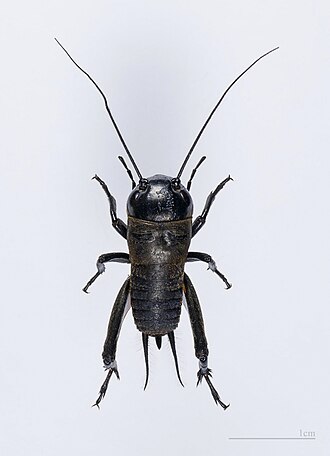
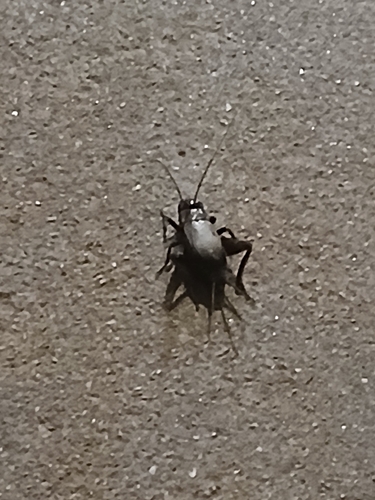
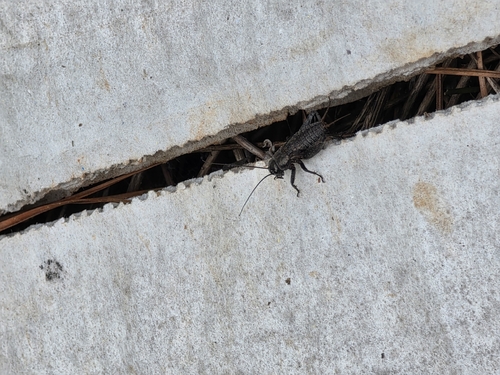
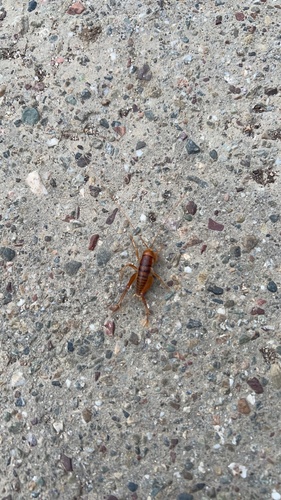
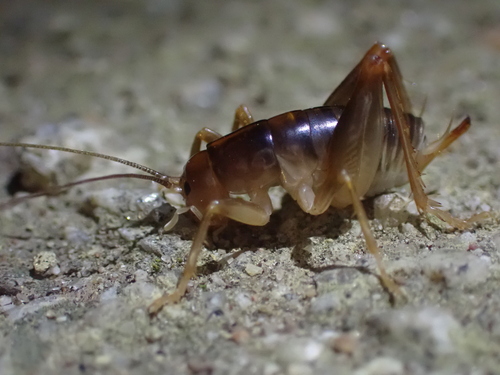
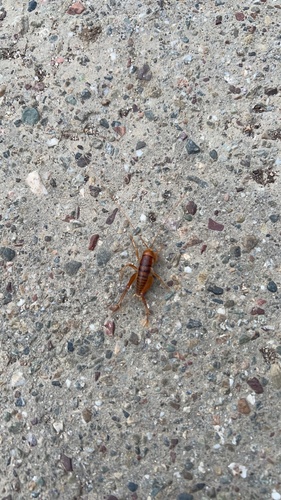
Philadelphia homes encounter two main crickets: the house cricket (Acheta domesticus) — tan, chirping, often found near windows and lights — and the camel cricket (Ceuthophilus spp.) — humpbacked, spider-like, silent, found in damp basements and garages. Both are harmless but camel crickets especially alarm people who mistake them for large spiders.
Low concern
| Quick ID Reference |
|---|
| House Cricket Size | 0.75–0.9 inch, tan/brown, long antennae |
| Camel Cricket Size | 0.5–1.5 inch, humpbacked, spider-like legs |
| Chirping? | House cricket yes, camel cricket no |
| Habitat | Basements, crawl spaces, garages (camel); windows, lights (house) |
| Season | Year-round indoors; fall invasion from outdoors |
| Danger | None to humans; may damage fabrics |
Frequently Asked Questions
Are camel crickets dangerous?
No. Camel crickets do not bite humans and carry no venom. They look alarming due to their spider-like appearance and jumping behavior but are completely harmless. They may damage fabrics and paper if populations grow large.
Why do I have crickets in my basement?
Camel crickets need moisture and darkness. Basements, crawl spaces, and garages that retain humidity are ideal. Dehumidifying your basement is the single most effective long-term control.
How do I stop crickets from chirping at night?
House crickets are the chirpers, not camel crickets. They're attracted to light and warmth. Switching to yellow outdoor bulbs reduces attraction. Sticky traps and sealing exterior gaps are the most effective controls.
When should I call a pest control professional?
If you're seeing large numbers, finding entry points you can't seal, or if the infestation is affecting your quality of life, City Best Pest Control offers free inspections for Philadelphia, Montgomery County, Delaware County, and Bucks County residents. Contact us here.