Cockroach Identification in Philadelphia

Philadelphia has multiple cockroach species. Learn which one you have and what to do about it.

📷 Text Us a Photo Free

3 Easy Ways to Get Your Bug Identified — Free

📷

Text a Photo

Text your bug photo to (215) 274-0754 and get a response from a pest expert within minutes.

Chat & Upload

Upload a photo and chat live with a pest identification expert from City Best Pest Control.

📧

Email a Photo

Email your photo to info@citybestpestcontrol.com with your location and we will identify it fast.

Cockroach Life Stages — Egg to Adult

Cockroaches undergo incomplete metamorphosis (egg → nymph → adult). German cockroaches — the most common in Philadelphia — can produce 30,000 offspring per year from one female.
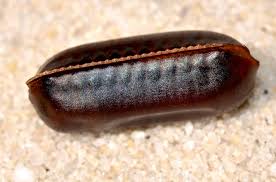
Cockroach egg case ootheca
Stage 1

Ootheca (Egg Case)

The German cockroach ootheca is 8-9mm, tan/brown, and contains 30-48 eggs. Female carries it until 1-2 days before hatching. Up to 8 oothecae per female.
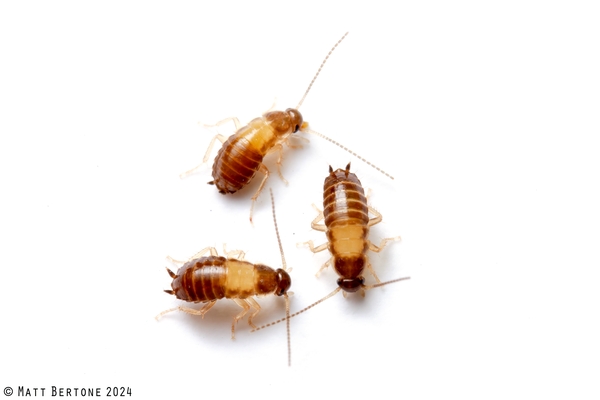
First instar German cockroach nymph
Nymph 1

1st Instar Nymph

2-3mm, nearly white upon hatching, darkens to dark brown within hours. No wing pads yet. Very fast-moving, seeks cracks immediately.

Mid-stage German cockroach nymph with wing pads
Nymph 3-5

Mid-Stage Nymphs

6-10mm with two dark stripes on pronotum visible. Wing pads appear by 4th instar. Color deepens. Nymphs account for 75-80% of the population in an active infestation.
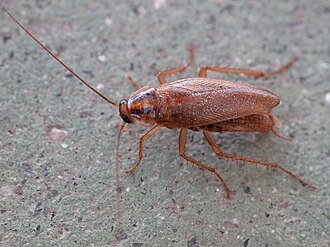
Adult male German cockroach
Adult Male

Adult Male

12-15mm, two distinct dark stripes behind head. Full wings, slender abdomen. Can fly short distances when disturbed. Lives 3-6 months.

Female German cockroach carrying egg case
Adult Female

Adult Female (with Ootheca)

Slightly larger and broader than male. Carries ootheca attached to abdomen until near hatch. Can produce a new egg case every 20-25 days.
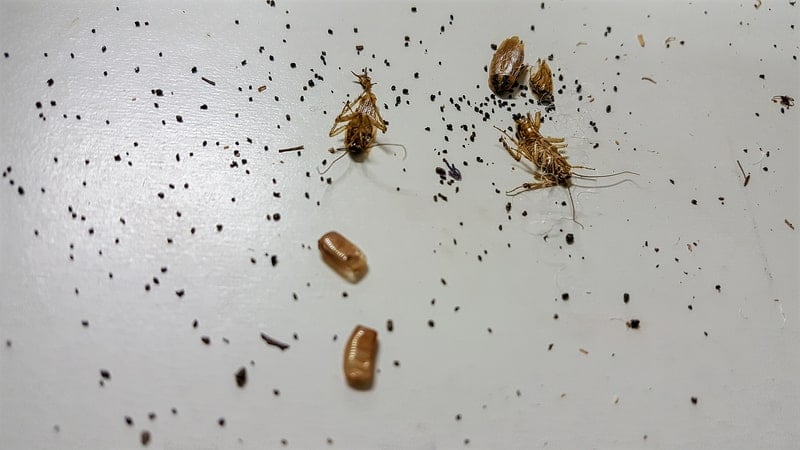
Cockroach droppings and frass
Signs

Droppings & Smear Marks

Pepper-like droppings behind appliances and in cabinets; brown smear marks in moist areas near plumbing. Musty, oily odor indicates heavy infestation.

Images: Wikimedia Commons — free educational use

Cockroach Species in Philadelphia

German Cockroach

13-16mm, tan/light brown, 2 dark parallel stripes behind head. Most common in Philadelphia kitchens & apartments.

American Cockroach

35-40mm (large!), reddish-brown, oval yellow marking behind head. Found in basements, sewers, boiler rooms.

Oriental Cockroach

20-25mm, shiny black or dark brown. Prefers cool, damp areas like basements and drains.

Brown-Banded Cockroach

10-14mm, light brown with banded wings. Less common, found in warm dry areas like bedrooms.

Cockroach Comparison Table

SpeciesSizeColorHabitatDanger Level
German13-16mmTan + 2 dark stripesKitchens, restaurantsHigh
American35-40mmReddish-brownBasements, sewersHigh
Oriental20-25mmShiny blackDrains, damp areasHigh
Brown-Banded10-14mmLight brown + bandsWarm dry areasMedium

Signs of a Cockroach Infestation

  • Live roaches — especially active at night when you turn on kitchen lights
  • Droppings — small dark cylindrical pellets (German) or larger ridged pellets (American)
  • Egg cases (oothecae) — dark brown capsules containing 15-40 eggs each
  • Musty odor — a distinctive oily, musty smell from large infestations
  • Smear marks — irregular brown smears near water sources and along walls
  • Shed skins — cockroaches molt 5-6 times before reaching adulthood

Health Risks

Cockroaches carry over 30 species of bacteria including Salmonella and E. coli. Their shed skins and feces are a major trigger for asthma and allergies, especially in children. Philadelphia has elevated asthma rates in part due to cockroach allergens in urban housing.

Why Philadelphia Homes Are Vulnerable

Aging housing, shared walls in apartment buildings, and warm restaurant kitchens make Philadelphia ideal for cockroach infestations. German cockroaches in particular spread rapidly through multi-unit buildings via pipes, voids, and shared walls.

Cockroach FAQ

Why do I only see cockroaches at night?

Cockroaches are nocturnal. If you see them during the day, it typically indicates a large, overcrowded infestation. Daytime sightings are a sign you need professional treatment immediately.

Can cockroaches survive without food?

Yes — cockroaches can survive up to a month without food and two weeks without water. Simply cleaning up food does not eliminate an infestation. Professional treatment with gel baits and IGR (insect growth regulator) is required for German cockroaches.

Do cockroaches bite?

Cockroaches can bite but rarely do. They are more of a health hazard through contamination of food and surfaces and triggering asthma and allergies.

Found a Pest? Don't Wait.

Get a free inspection from City Best Pest Control — serving Philadelphia and surrounding counties.

Get a Free Inspection →
Free Bug ID 🔍
Quick options