Learn to identify bed bugs and find out what to do if you think you have an infestation.
📷 Text Us a Photo FreeText your bug photo to (215) 274-0754 and get a response from a pest expert within minutes.
Upload a photo and chat live with a pest identification expert from City Best Pest Control.
Email your photo to info@citybestpestcontrol.com with your location and we will identify it fast.
Bed bugs go through 7 stages (egg → 5 nymphs → adult). Each stage requires a blood meal to molt. Knowing each stage helps catch infestations early.
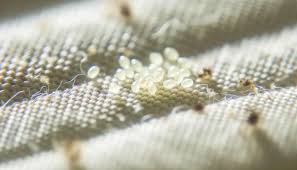
White, 1mm, barrel-shaped. Laid in clusters of 1-5 in mattress seams, cracks, and furniture joints. Hatches in 6-10 days.
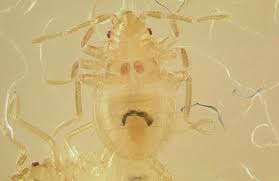
1.5-2.5mm, pale yellow. Nearly invisible to the naked eye. Must feed within days of hatching. Molt once per blood meal.
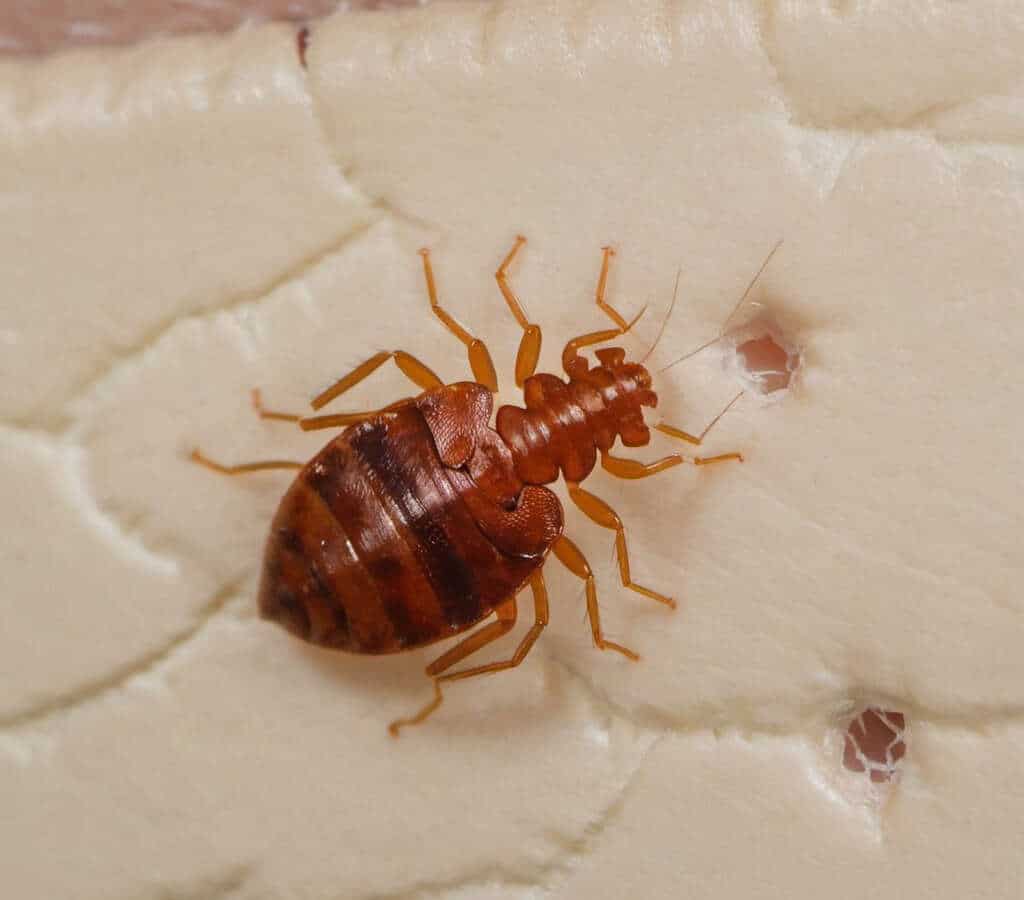
3-4.5mm, becoming reddish-brown. Visibly similar to adults but smaller with less defined wing pads. Appear 'rust' colored after feeding.
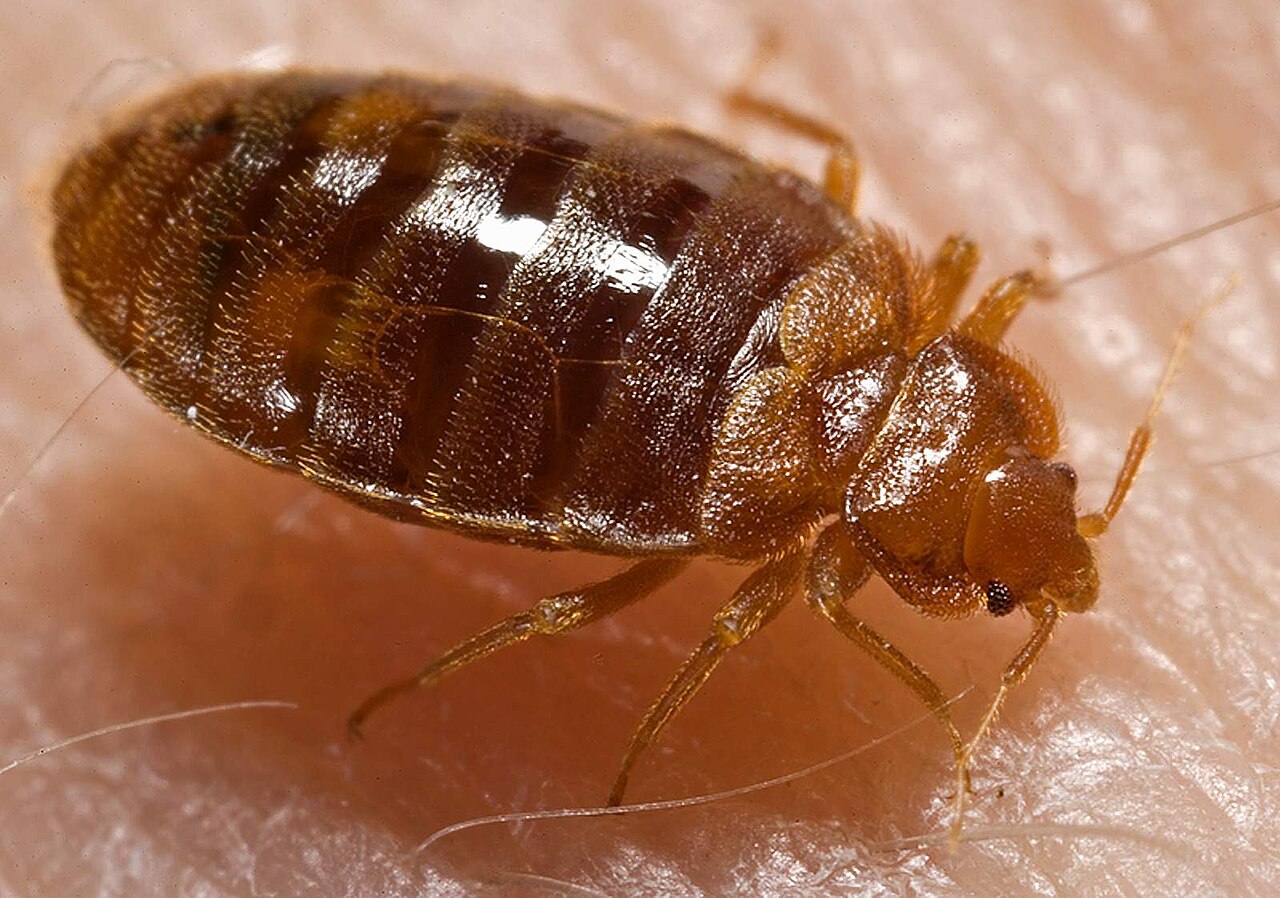
5-7mm, mahogany brown, flat and oval. Swells and turns red-brown after feeding. Lives 6-12 months. Female lays 200-500 eggs in lifetime.
After feeding 3-10 min, body swells to 4-5x normal size, turns deep red. Returns to harborage within 1 hour to digest. Can survive 1 year without feeding.
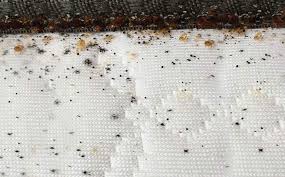
Dark rust-colored spots (digested blood) on sheets/mattress seams, and pale translucent shed exoskeletons in harborage areas are key infestation indicators.
Images: Wikimedia Commons — free educational use
Bed bugs (Cimex lectularius) are small, wingless, flat, oval-shaped insects. Adults are approximately 4-7mm long — roughly the size of an apple seed. They are reddish-brown in color but turn darker red after a blood meal.
| Stage | Size | Color |
|---|---|---|
| Egg | 1mm | Pearly white |
| Nymph (x5 stages) | 1.5-4.5mm | Pale/translucent |
| Adult | 4-7mm | Reddish-brown |
Tiny oval reddish-brown bugs in mattress seams, box springs, headboards
Small dark brown or black fecal spots on sheets, mattress, and walls
Translucent shed exoskeletons near hiding spots
Reddish blood stains on pillowcases or sheets from crushed bugs
Red, itchy welts in a line or cluster, often on arms, neck, and shoulders
A musty, sweet smell similar to berries in heavily infested rooms
Philadelphia has one of the highest bed bug rates in the nation due to its dense housing, high tenant turnover, and frequent travel. Bed bugs are expert hiders and can be found in:
High-risk situations in Philadelphia include: moving into a new apartment, purchasing used furniture, staying in hotels or Airbnbs, or having frequent guests. Multi-unit buildings are especially vulnerable because bed bugs can travel through walls.
| Insect | Size | Shape | Wings | Found Near |
|---|---|---|---|---|
| Bed Bug | 4-7mm | Flat oval | No | Beds, furniture |
| Flea | 1-3mm | Tall, narrow | No | Pets, carpets |
| Tick | 3-8mm | Round, teardrop | No | Outdoors, pets |
| Book Louse | 1-2mm | Flat | Sometimes | Books, papers |
| Bat Bug | 4-5mm | Flat oval | No | Attics |
Not sure which one you have? Text us a photo at (215) 274-0754 for a definitive free ID.
DIY treatments (sprays, steamers, mattress covers) can reduce populations but rarely eliminate an infestation. Bed bugs are resistant to many over-the-counter pesticides. Professional heat treatment or targeted chemical treatment by a licensed exterminator like City Best Pest Control is the most effective solution.
A single female can lay 1-5 eggs per day. In 6-8 weeks, a small infestation can become a serious problem. In Philadelphia apartment buildings, they can spread to neighboring units through walls and outlets. Early detection and professional treatment is critical.
Not necessarily. A licensed pest control professional can treat your mattress and encasements can protect it afterward. Throwing out a mattress without treatment rarely solves the problem as bed bugs live throughout the room, not just in the bed.
Get a free inspection from City Best Pest Control — serving Philadelphia and surrounding counties.
Get a Free Inspection →