Ant Identification in Philadelphia

Philadelphia has dozens of ant species. Learn which ant you have and whether it requires professional treatment.

📷 Text Us a Photo Free

3 Easy Ways to Get Your Bug Identified — Free

📷

Text a Photo

Text your bug photo to (215) 274-0754 and get a response from a pest expert within minutes.

Chat & Upload

Upload a photo and chat live with a pest identification expert from City Best Pest Control.

📧

Email a Photo

Email your photo to info@citybestpestcontrol.com with your location and we will identify it fast.

Ant Life Stages — Egg to Colony

Ants undergo complete metamorphosis (egg, larva, pupa, adult). Philadelphia's most destructive species — carpenter ants — hollow out wood to nest, causing structural damage over time.
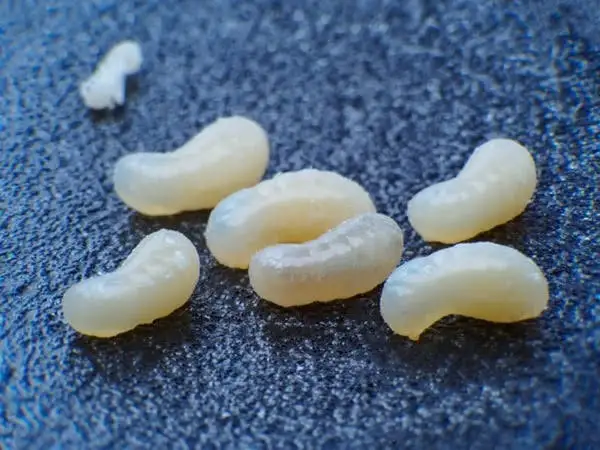
Ant eggs cluster in nest
Stage 1

Egg

Tiny, oval, white eggs laid by the queen in batches. Non-mobile. Workers immediately move eggs to optimal temperature zones within the nest. Hatch in 1-2 weeks.

Ant larva being tended by workers
Stage 2

Larva

White, legless, grub-like. Fed liquid food by workers. Cannot move independently. This stage lasts 2-4 weeks depending on species and temperature.

Ant pupae in nest chamber
Stage 3

Pupa

Wrapped in a cocoon (some species) or naked. Develops full adult features over 1-3 weeks. Caste determination (worker, queen, male) is influenced by nutrition and pheromones.
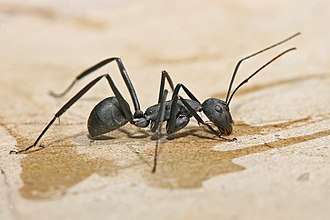
Worker ant carrying food
Worker

Worker Ant

Sterile females. Handle foraging, nursing, and defense. Pavement ant workers are 2-3mm; odorous house ants emit coconut smell when crushed. Trails follow pheromone lines.
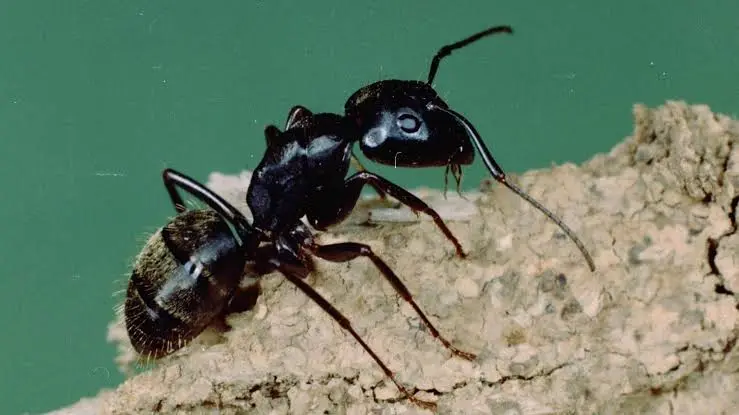
Black carpenter ant Camponotus
Carpenter

Carpenter Ant

6-12mm, black or bi-colored. Does NOT eat wood — excavates it for galleries. Sawdust-like frass near baseboards or joists is a key sign. Most active at night.
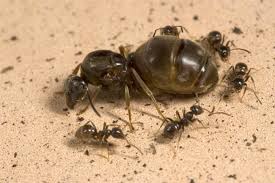
Queen ant with workers in nest
Queen

Queen Ant

2-3x larger than workers. Has wings until mating flight (spring). Founds new colonies alone. Carpenter ant queens can live 10-25 years. Single queen can produce millions of workers.

Images: Wikimedia Commons — free educational use

Common Ant Species in Philadelphia

SpeciesSizeColorKey FeatureConcern
Pavement Ant2.5-3mmDark brown/blackNests under sidewalks, drivewaysLow-Medium
Carpenter Ant6-12mmBlack or black/redDamages wood, no sawdust moundsHigh
Odorous House Ant2.4-3.3mmDark brown/blackRotten coconut smell when crushedMedium
Acrobat Ant3-4mmLight to dark brownHeart-shaped abdomen raised when disturbedMedium
Fire Ant1.5-5mmReddish-brownAggressive, painful sting, rare in PhillyHigh
Little Black Ant1.5-2mmJet blackVery small, nests in woodworkLow

Carpenter Ants: The Most Dangerous

Carpenter ants are the most structurally damaging ant in Philadelphia. Unlike termites, they do not eat wood — they excavate it to build galleries. Signs include:

If you see large black ants inside your home, text us a photo immediately — carpenter ant damage is costly if ignored.

How to Tell Ants from Termites

Winged ants and termite swarmers are often confused. This distinction is critical — termites cause far more structural damage.

FeatureWinged AntTermite Swarmer
AntennaeElbowed (bent)Straight, beaded
WaistNarrow, pinchedThick, no waist
WingsUnequal size (front larger)Equal size, same length
Body3 distinct segments2 segments

Learn more about termite identification →

Ant FAQ for Philadelphia Residents

Why do ants suddenly appear in my kitchen?

Ant scouts follow pheromone trails to food sources. Once a scout finds food, it leaves a trail for others. The colony can be outside or inside — professional treatment targets the colony, not just the visible ants.

Are carpenter ants more dangerous than termites?

Termites typically cause more damage faster because they eat wood continuously. Carpenter ants excavate more slowly but can still cause significant structural damage over time. Both require professional treatment.

Do DIY ant baits work?

Grocery store baits can work for pavement ants and odorous house ants if applied correctly and patiently. However, carpenter ant infestations and large colonies typically require professional treatment with targeted products.

Found a Pest? Don't Wait.

Get a free inspection from City Best Pest Control — serving Philadelphia and surrounding counties.

Get a Free Inspection →
Free Bug ID 🔍
Quick options